Dj+KPDejavoo (iPOSpays) + KwickPhone
On the roadmap
Payments · Dejavoo (iPOSpays)

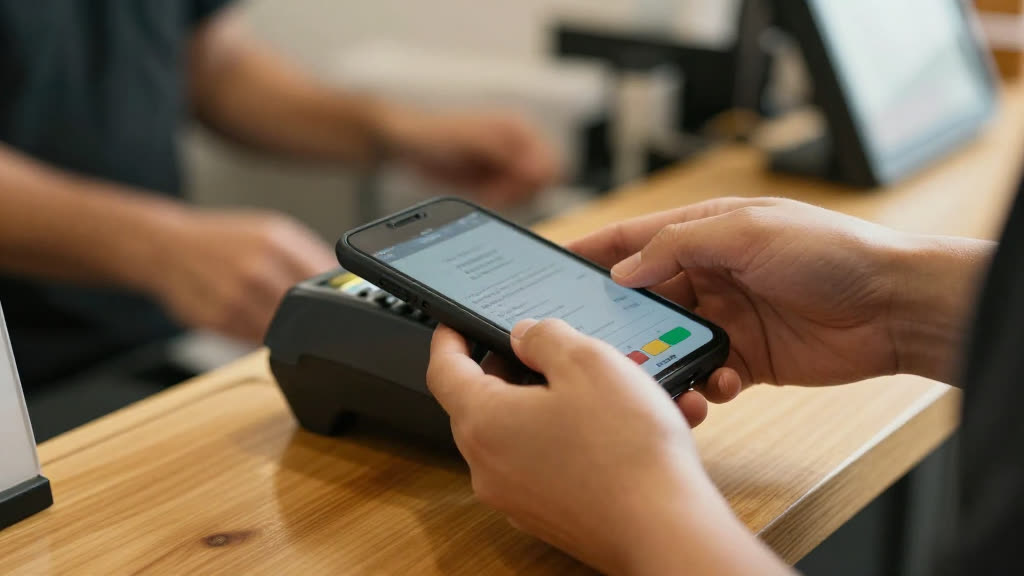
Take payment on the call, through Dejavoo (iPOSpays).

KwickPhone collects payment right on the phone — PCI-compliant (SAQ-A) — through Dejavoo (iPOSpays). It charges a card on file or takes a new one, tokenized and secure, with no one ever reading a card number out loud.

Answers 24/7English & SpanishPCI-compliantNo new hardware
The Dejavoo (iPOSpays) integration is on our roadmap. KwickPhone answers the call and takes the order today — the direct push into Dejavoo (iPOSpays) is in build. Request early access → and we’ll prioritize it.
A real Dejavoo (iPOSpays) business taking a call while KwickPhone answers
What you’ll need

Get your Dejavoo (iPOSpays) details ready

Connection type: API credentials

  • Dejavoo (iPOSpays) API credentials — typically an API key or OAuth login from your Dejavoo (iPOSpays) account

We confirm the exact Dejavoo (iPOSpays) fields with you during setup.

How it works

Get paid on the call with Dejavoo (iPOSpays).

01

Answers every call

24/7, on the first ring, in English or Spanish — while you run the floor or work the job.

02

Charges securely

The card is tokenized through Dejavoo (iPOSpays) — it never touches your servers or ours (PCI SAQ-A). A card on file, or a new one, charged on the call.

03

Money lands, receipt sent

The payment settles through Dejavoo (iPOSpays) to your account, and the caller gets a receipt by text — and no chargebacks from a misheard digit.

Card-on-file & chargesTap to Pay (Tap to Phone)Terminals & gatewayEncrypted
In practice

It's Friday at 4 p.m. and a customer calls to confirm a same-day appliance repair, but the technician won't be dispatched until the service call fee is collected. KwickPhone confirms the amount owed, reads it back to the caller, and collects the card details as spoken digits that are tokenized directly through Dejavoo (iPOSpays) before anything is stored. The card number is never repeated aloud and never written to a transcript; only the Dejavoo (iPOSpays) token and the last four digits are retained on the call record. Once Dejavoo (iPOSpays) returns an approval, KwickPhone confirms the charge to the caller and attaches the payment reference to the job so the dispatcher sees it cleared before sending the truck.

Part of the 319-app KwickPhone platform

Dejavoo (iPOSpays) is one connection — KwickPhone is also running Deposits & Holds, Pay-by-Text Invoices, Quotes & Estimates, Digital Gift Cards and POS for the same business, all from the one phone number.

Deposits & HoldsPay-by-Text InvoicesQuotes & EstimatesDigital Gift CardsPOS

Questions

Do I have to switch processors?
No — if you process with Dejavoo (iPOSpays), KwickPhone charges through it. The card is tokenized (PCI SAQ-A) and no number is ever read aloud.
Can it take payment on the call?
Yes — fully PCI-compliant. It charges a card on file or takes a new one, and no one reads a card number out loud.
How long does setup take?
Minutes. Sign up yourself and set it up by talking — no website or typing required.
What happens to a call if Dejavoo (iPOSpays) is down or rejects the card mid-call?
KwickPhone waits for the authorization response from Dejavoo (iPOSpays) and tells the caller in real time if the charge fails or times out. On a decline it can offer to retry with another card; on an outage it can take the caller's callback details and flag the job as payment-pending rather than confirming a charge that never cleared. No charge is ever assumed successful without a response from Dejavoo (iPOSpays).
Where does the actual card data live, and what does KwickPhone keep?
Card numbers are tokenized inside Dejavoo (iPOSpays) and are not retained by KwickPhone. What we store against the call is the Dejavoo (iPOSpays) transaction ID, the amount, the last four digits, and the approval status. If you leave KwickPhone later, your customers and their stored payment methods remain in your Dejavoo (iPOSpays) account, because that is where they were held the entire time.
Can I run separate Dejavoo (iPOSpays) accounts for different locations?
Yes. Each location or phone line can be mapped to its own Dejavoo (iPOSpays) account or sub-merchant, so charges, payouts, and reporting stay separated by store. You control which line routes to which Dejavoo (iPOSpays) credentials, and refunds are attributed back to the location that took the original call.
What is deliberately not automated on the payment side?
KwickPhone collects and authorizes charges on the call but does not issue refunds, chargeback responses, or dispute handling on its own. Those are done by your staff directly in Dejavoo (iPOSpays), since they involve judgment and records you already manage there. KwickPhone also does not set your pricing or fees; it charges the amount your workflow specifies.
Take payment on the call with Dejavoo (iPOSpays).